




Most sellers wait until they need something to start networking. But if you only build relationships when you’re desperate, you’re already too late.
Great sales networking isn’t a last-minute scramble for intros. It’s a long-term habit. Whether you’re a sales development pep, an AE, or a sales leader, the strength of your network becomes the strength of your pipeline.
Here are 5 things I wish I did differently when building my network, and how you can avoid the same mistakes.
1. Focus on Depth Over Reach
When I first started networking, I thought the goal was volume. The earliest advice I ever got was literally: “Connect with everyone.”
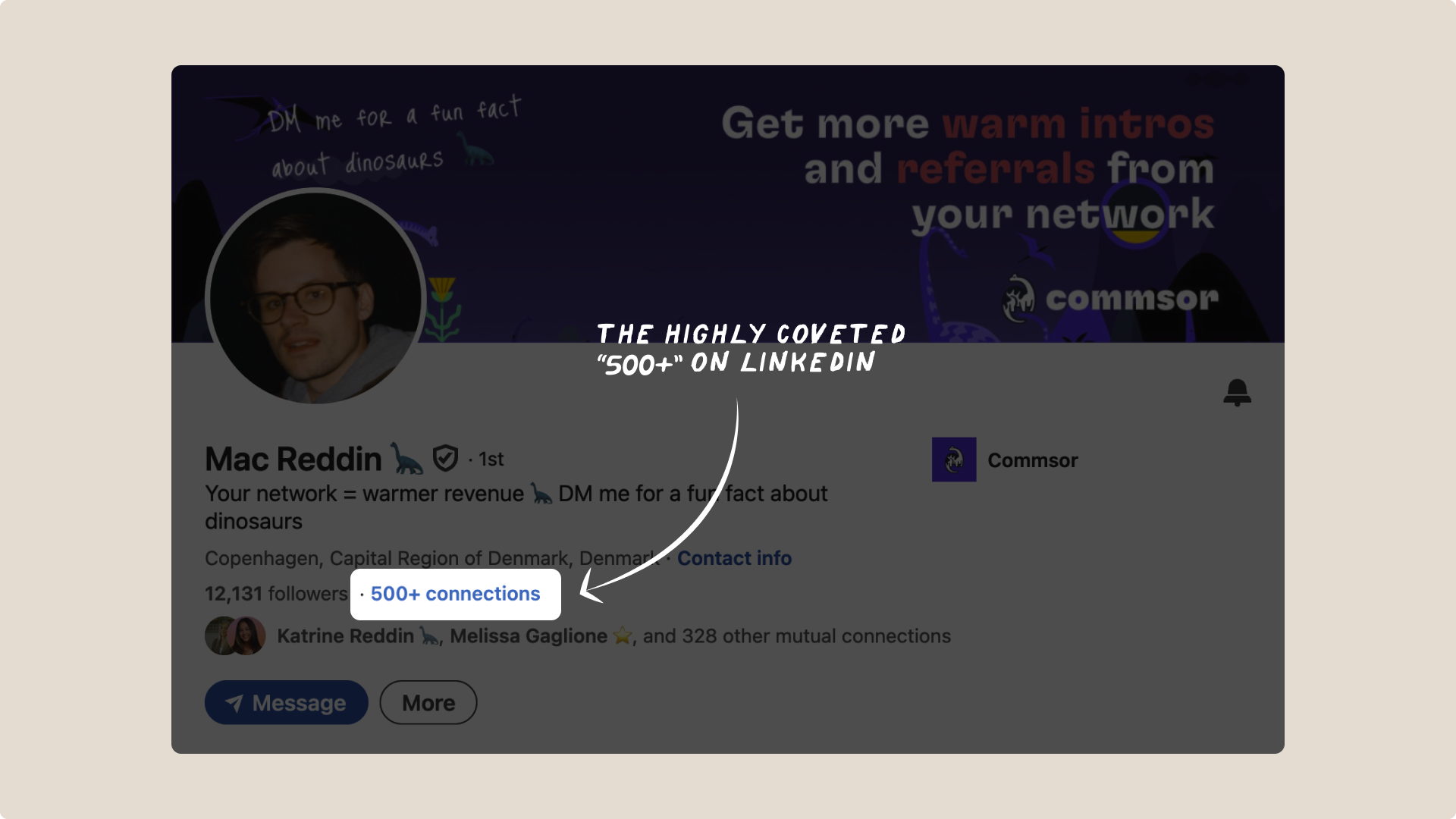
I chased the 500+ badge on LinkedIn like it meant something. But I quickly learned this:
Being connected is not the same as being in someone’s network.
Today, I’d pick 15–20 people I admire, enjoy learning from, and actually want to build a relationship with. I’d invest in deep connection instead of surface-level reach.
Because in sales networking, knowing more people never beats knowing people better.
2. Give Before You Ask
Most SDRs and early-career sellers fall into the same trap: They feel they have nothing to offer, so they wait to reach out until they need something.
You already know how annoying it is when a friend only texts you when they need help. So don’t do that to your network.
Show up consistently by:
- Commenting thoughtfully on their posts
- Sharing their content
- Sending a resource they’d appreciate
- Checking in privately with zero ask
- Congratulating them on big milestones
- Shouting out their work to your own audience
Reciprocity builds relationships. Your network isn’t a vending machine, you don’t put in a quarter and instantly get a referral.
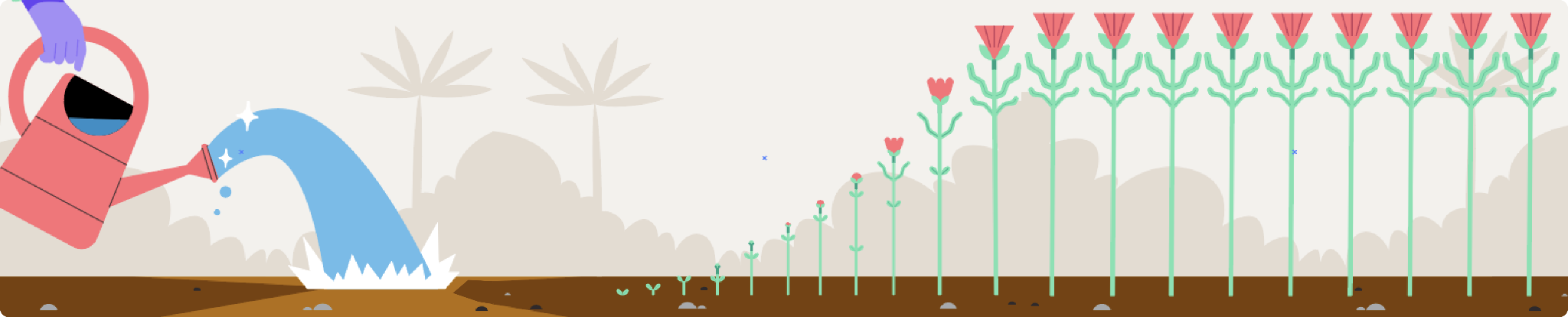
My favorite metaphor: Plant before you pick.
What most sellers do wrong
They try to harvest before they’ve earned the right. The predictable revenue era taught sellers to just “do more.”
More calls. More emails. More sequences. Now, with AI and automation, the volume is even higher, and the relationships are even weaker.
This leads to:
- Cold asks
- No responses
- Burned relationships
You can’t rush trust. You can only earn it.
What planting actually looks like
- Showing up consistently in comments, not just posts
- Sharing someone’s win with zero CTA
- Reconnecting with a former buyer just to say congrats
- Sending a helpful article to someone who’d actually find it useful
- Making intros between two people who would benefit from knowing each other
You’re not just planting content. You’re planting credibility. And when you plant early, people will naturally think of you when they need help, or when you finally ask for it.
And avoid over harvesting
Overharvesting is:
- Asking for intros too early
- Following up too aggressively
- Treating your network like a list
- Expecting someone to vouch for you when you’ve never shown up for them
If you’re not planting, don’t be surprised when there’s nothing to pick.
3. Make Your Intentions Clear
I don’t usually send connection messages on LinkedIn, but I do follow up after someone accepts. The key is sincerity.
Here’s what I typically send:
“Hey Will, appreciate the connect. Love the work you’re doing with AI video. I’m exploring how Commsor can use it. Let me know if you ever want to brainstorm.”
It’s simple, warm, and honest. And it sets a direction for how the relationship could evolve.
Of course, this works even better when your LinkedIn profile is dialed in: Headline, about section, banner, and proof of expertise.
Clarity beats cleverness. Always.
4. Track Conversations, Not Contacts
When I first started networking for sales, I’d hop into calls totally blind. No context. No memory of what we talked about last time. No sense of how the relationship had evolved.
Now I keep light notes:
- How we met
- Their current role
- What they’re working on
- How I might help them in the future
- Personal details that matter (interests, projects, goals)
This way, every conversation starts at level 5, not level 0.
To be clear: Yes, you should track contacts… But tracking conversations is how you build relationships.
5. Talk About Your Learnings (Even If They’re Messy)
We all have the same imposter-syndrome voice telling us to stay quiet until we’re an expert.
Ignore it.
You don’t need to be a VP to have valuable insights. SDRs learn things execs never hear: Actual objections, trends, buyer language, early signals.
Execs can share perspectives SDRs would never see.
Your curiosity has value. Your learnings have value. Your experiences have value.
- Attracts like-minded people
- Creates conversation
- Signals your interests
- Makes it easier for others to reach out
- Builds your reputation long before you ask for anything
You don’t have to be polished, just be honest.
The simple truth about networking for sales
Your network becomes an asset only when you treat it like one.
If you want to expand your network with intention (and not desperation), GTN University is now open for enrollment.
It’s built for SDRs and sales teams who want to turn their relationships into revenue, without burning trust along the way.


